The day the Sensex fell 13 percent: inside 23 March 2020, and the ten months after
The circuit breaker tripped before ten in the morning, the index closed with the biggest percentage fall in its history, and a national lockdown was announced the next evening. What the day felt like, what the people who sold did next, and why the recovery is the part worth studying.
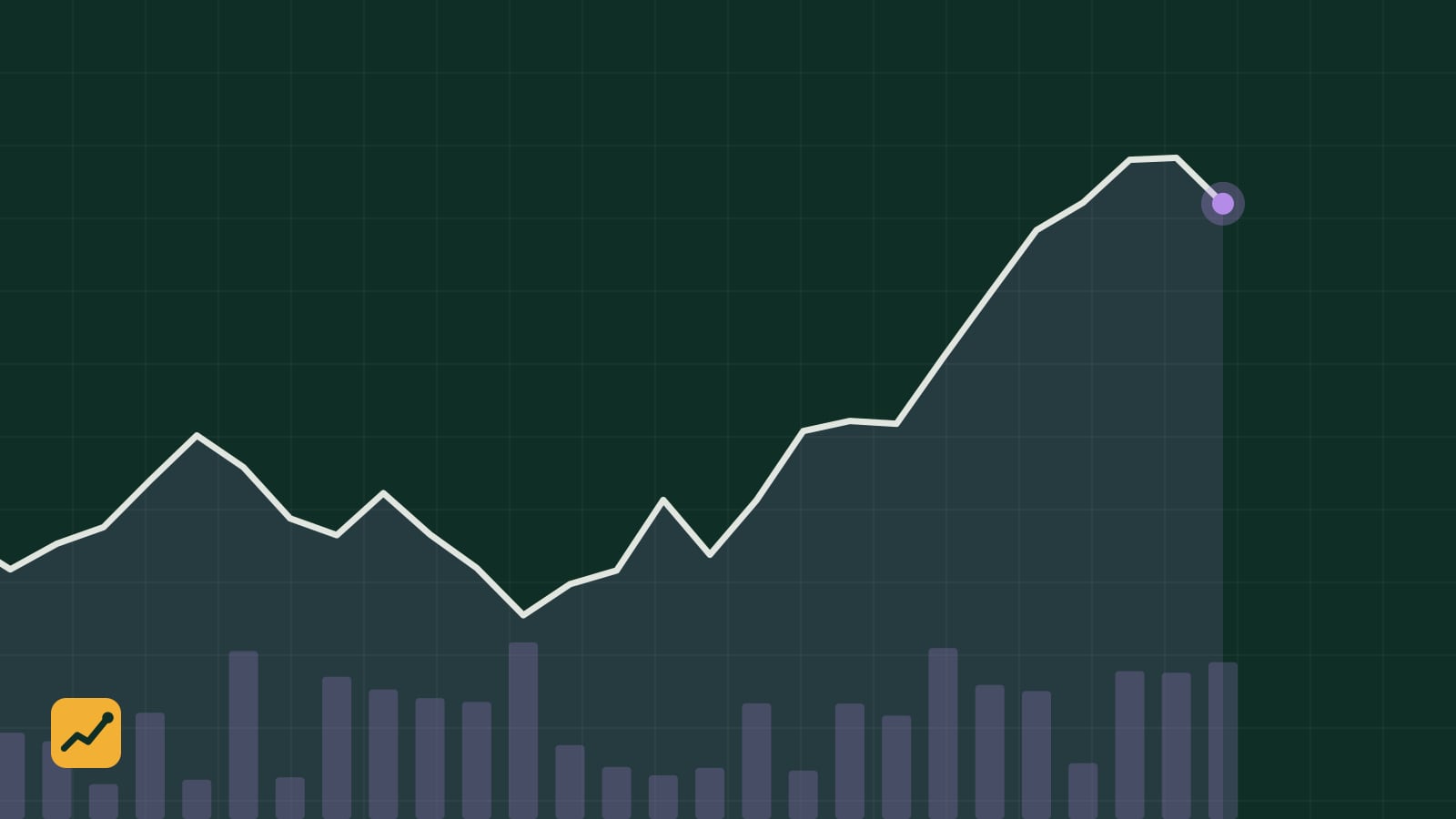
In the middle of January 2020 the Sensex touched 42,000 for the first time, and the conversation on Dalal Street was about whether 45,000 would come before the budget. Ten weeks later it closed at 25,981. Nothing in the companies had changed. Everything in the world had.
The slide before the fall
The virus had been in the news since January, but the market treated it as a Chinese problem until late February, when cases appeared in Italy and Iran and the first wave of selling began. On 11 March the World Health Organization called it a pandemic. On 12 March the Sensex fell 2,919 points, about 8 percent, which was at the time the largest one-day point fall it had ever recorded. Foreign investors, who had been net buyers for years, were pulling money out of India at a pace nobody had seen; by the end of March they had sold shares worth over 60,000 crore rupees in a single month.
Friday 13 March was the strange one. Within five minutes of the open the Nifty fell 10 percent, the market-wide circuit breaker from the Sensex and Nifty chapter tripped for the first time since 2008, and trading halted for 45 minutes. When it reopened, the index did not continue down. It reversed, violently, and the Sensex finished the day up more than 1,300 points. People who had sold into the halt watched the market close 4 percent higher than where it had stopped them. The lesson that a halt is a pause and not a forecast was taught, expensively, that morning.
Monday, 23 March
The weekend brought the first state lockdowns and the “janata curfew” on Sunday. On Monday the Sensex opened down nearly 10 percent, the circuit breaker tripped again at about 9:58 am, and this time the reopening brought more selling. The index closed at 25,981, down 3,935 points, a fall of 13.15 percent. The Nifty lost 12.98 percent to close at 7,610. It was the worst single day in percentage terms in the history of both indices, worse than anything in 1992 or 2008.
Every stock in the Nifty 50 fell. Bank shares lost a fifth of their value in a day. The rupee hit a record low against the dollar. Then, on the evening of 24 March, the prime minister announced a nationwide lockdown starting at midnight, and the next morning the market, having already priced in the worst, barely moved.
What it felt like
The numbers do not convey the texture, so here is some. Broking apps crashed under the load. Margin calls went out to people who had never heard the term. Stop losses placed at prices that seemed absurdly low a fortnight earlier were triggered in the first minutes of trading. WhatsApp groups that had spent 2019 sharing tips went silent, then filled with screenshots of portfolios down 40 percent, then with arguments about whether to sell everything and wait for “clarity”.
Clarity, it turned out, never arrives in a form you can trade. The low for the Sensex was set on 24 March, the day of the lockdown announcement, at a time when the lockdown had not even begun and nobody knew how long it would last.
The ten months after
The Reserve Bank cut the repo rate by three quarters of a percentage point on 27 March and flooded the system with liquidity. The American central bank had already cut to zero. Governments everywhere announced spending. And the market, which had been pricing the end of commerce, began pricing something less than that.
From the March close the Sensex rose more than 30 percent by early June. It regained its January level in November 2020. On 21 January 2021, ten months after the 13 percent day, it crossed 50,000 for the first time, nearly double the 23 March close. Anyone who sold on 23 March and waited for the economy to recover before buying back watched the index double while the economy was still shut.
Something else happened in those ten months. Indians opened demat accounts at a rate never seen before: there were about four crore accounts in March 2020 and more than ten crore by late 2022. A generation that had stayed away from shares came in at the bottom, often without a lesson in sight, and learned the next three years in public.
What the day teaches
Three things, none of them comfortable.
The first is that the bottom of a crash does not feel like a bottom. It feels like the start of something worse, and the news on that day will be the worst news of the episode. The people who bought on 23 and 24 March 2020 were not brave or clever; most of them were simply running a monthly investment that they had not got around to stopping.
The second is about the circuit breaker. Twice in eleven days the market halted for 45 minutes, and on one of those days it closed up and on the other it closed down. The halt tells you only that the move has been large. The next step is decided by what happens during the pause, and nobody on the floor or in an app knows what that will be.
The third is the one this course keeps returning to. A 13 percent day on a portfolio sized according to the rules in the Advanced course is a bad month. The same day on a position bought with borrowed money is the end of the account, and the people for whom March 2020 was permanent were, almost without exception, people with leverage.
The market of the following years had its own problems, and none of this is a promise that the next crash recovers as quickly; some have taken a decade. But if you are going to live through crashes, and you are, this is the one to study first, because it compressed the whole arc into a year and left an unusually clean record.
Index levels and dates are from the exchanges’ published data. The demat account figures are from NSDL and CDSL’s monthly statistics, rounded.
Keep reading
More to read
Muhurat trading: why Dalal Street opens for one hour on Diwali
Every Diwali the exchanges open for a single ceremonial session, brokers worship their account books, and a new Samvat year begins. Where the ritual comes from, what people actually do in that hour, and what the record says about buying on it.
From a banyan tree to Dalal Street: how Bombay's brokers built Asia's oldest exchange
In the 1850s a few dozen men traded shares under a banyan tree outside Bombay's Town Hall. One cotton boom, one spectacular bust and several evictions later, they had a street, a rulebook and the institution that became the BSE.
How to read an annual report in 20 minutes with AI, and not get fooled by it
A step-by-step workflow for letting a language model do the page-turning on a 300-page annual report: the prompts, the extraction table, the verification pass that catches invented numbers, and the questions a model cannot answer for you.